%20(10).png)


The Architecture of Survival: Why We Must Keep Our Eyes on Sudan
- The Sovereign Edit

- Apr 28
- 4 min read
Updated: Jun 6
There is a deeply troubling phenomenon in the modern landscape of global media. When a crisis first erupts, the world responds with immediate outrage. Hashtags trend, donations pour in, and the collective attention of the internet is firmly fixed on the injustice. However, as the months turn into years, that attention inevitably fractures. The crisis becomes normalized. The suffering becomes a background frequency that the world simply tunes out.
We are actively rejecting that normalization. This past April 15 marked exactly three years of a senseless, brutal war in Sudan. For 36 months, an entire nation has been ripped apart by violence, political greed, and a complete disregard for human life. We cannot allow the exhaustion of the news cycle to erase the reality of what is happening to millions of innocent civilians. We must keep our eyes firmly fixed on Sudan, and we must center the women who are bearing the absolute heaviest burdens of this conflict.
The Eradication of Infrastructure
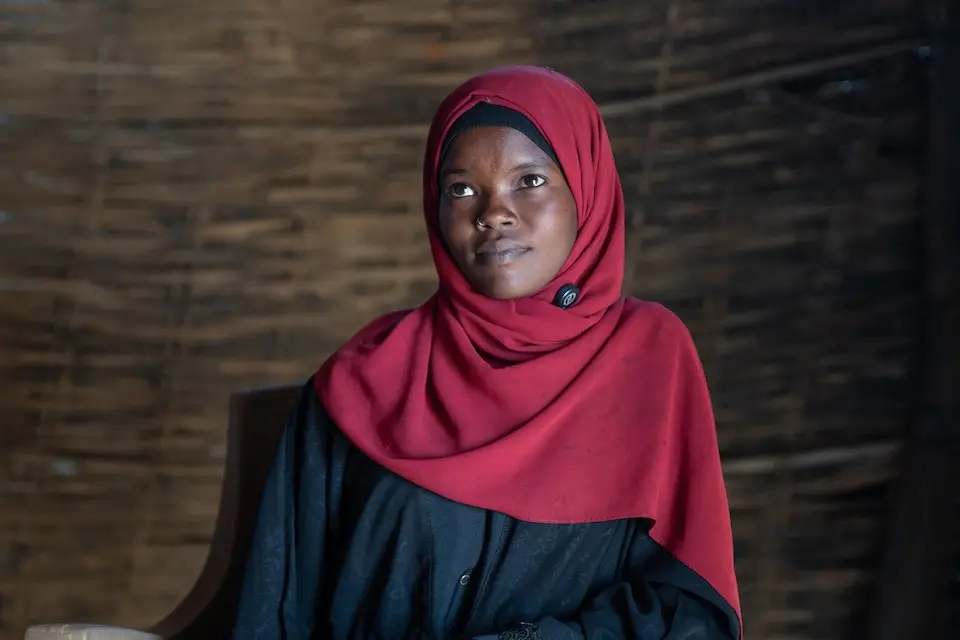
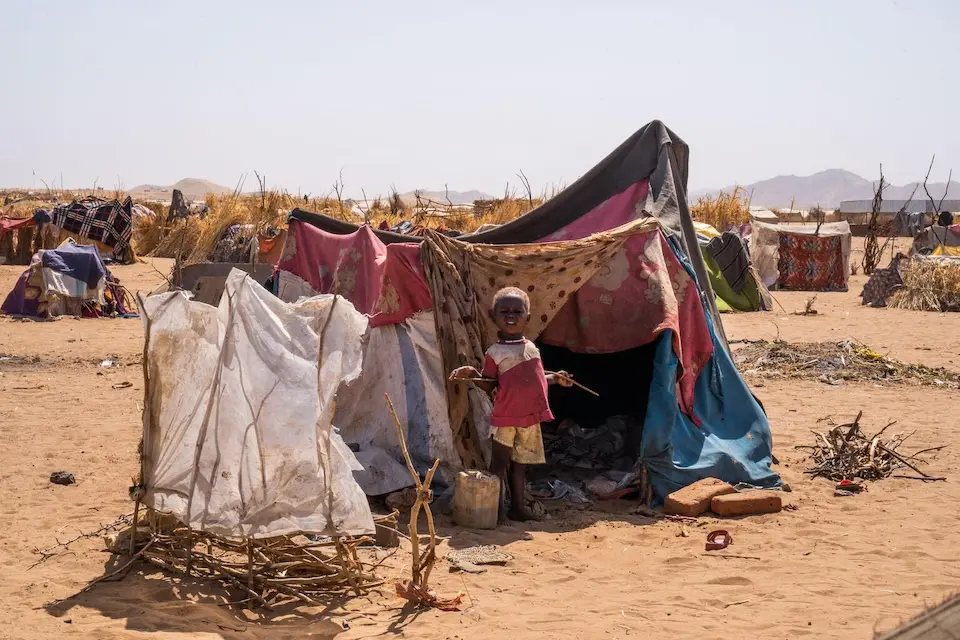
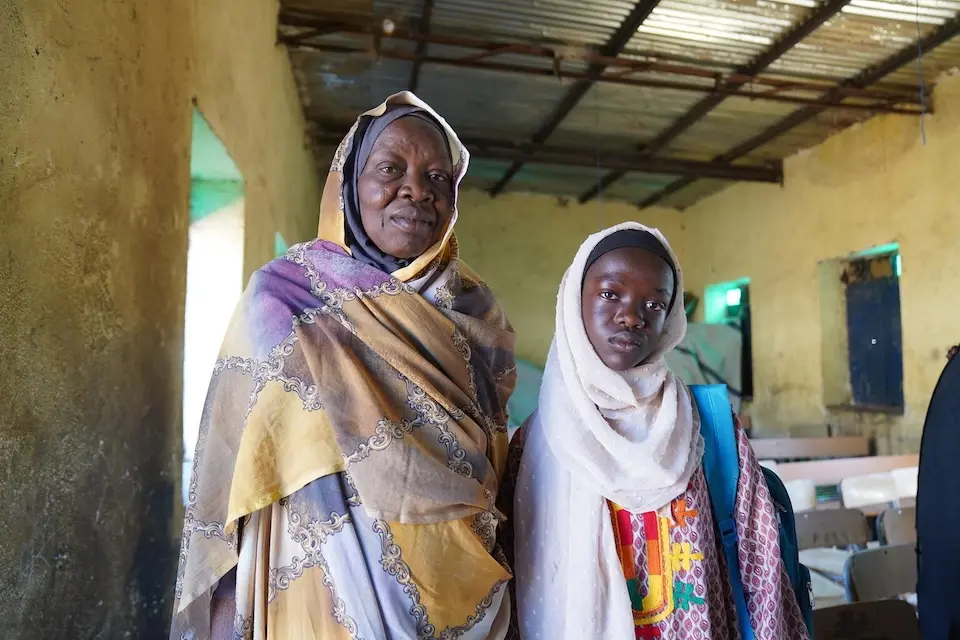
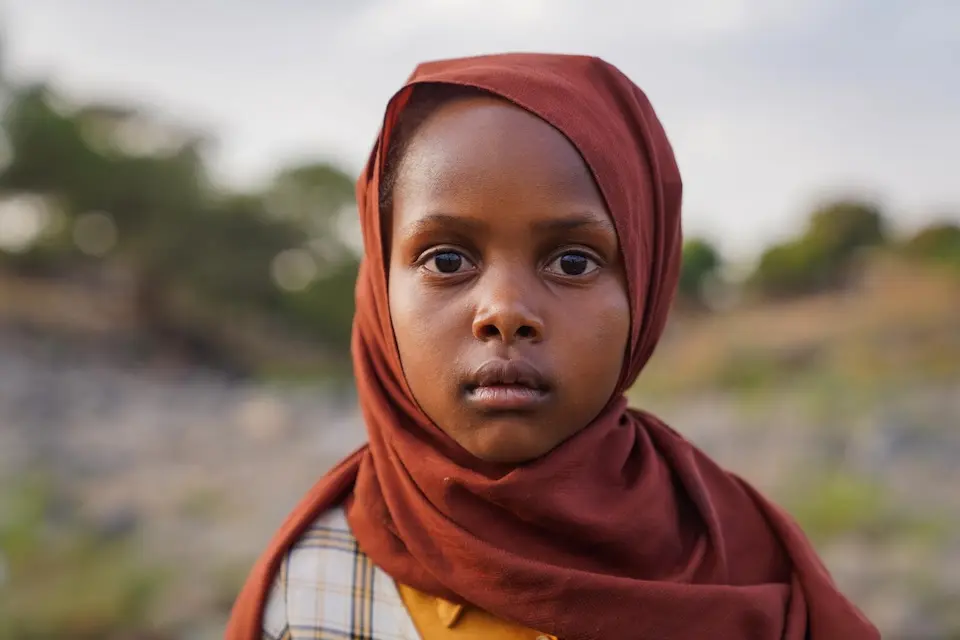
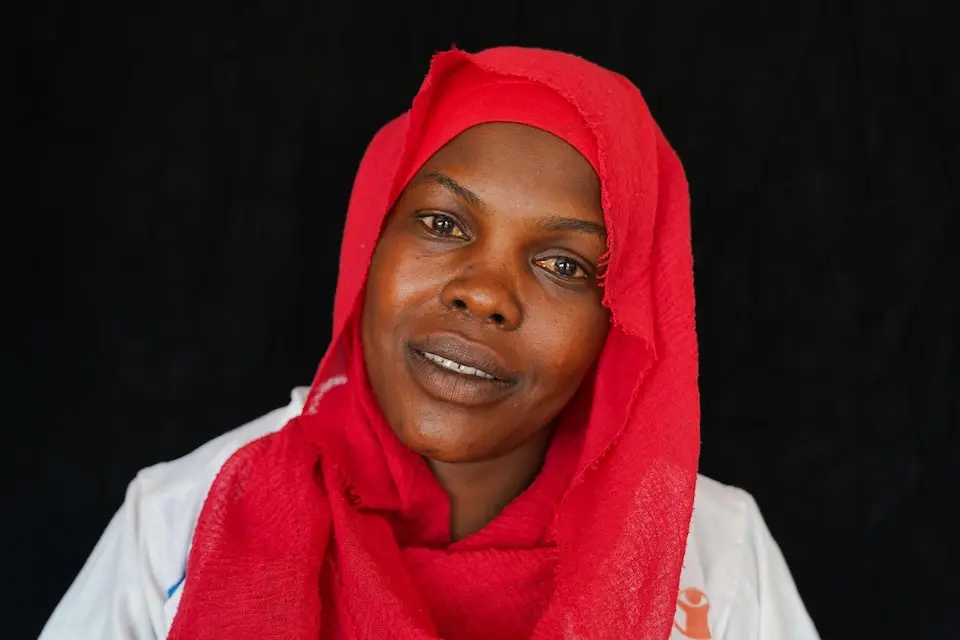
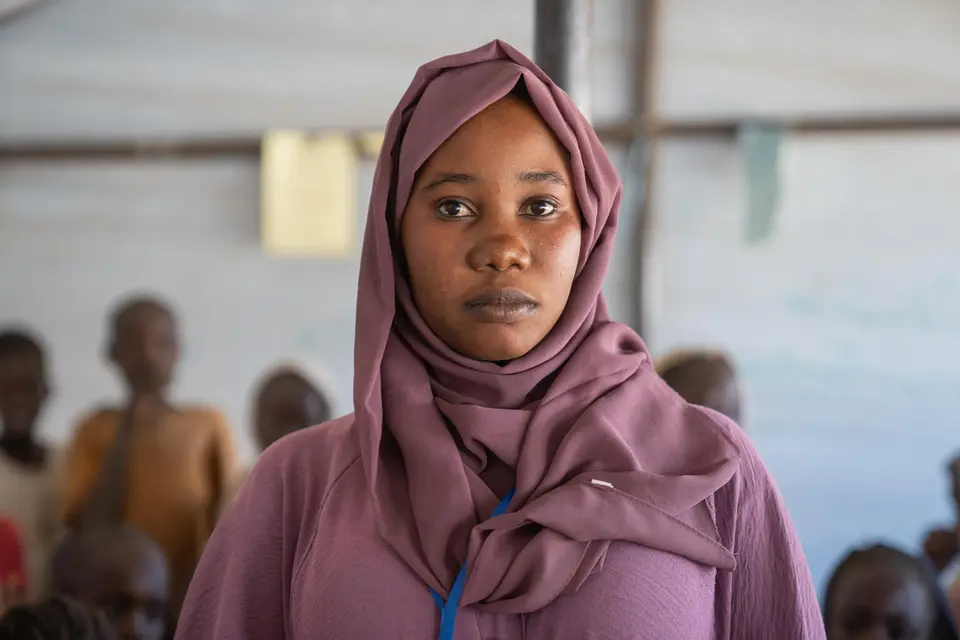
To understand the crisis in Sudan, you must look at it through a structural lens. This is not just a political dispute. It is the systematic destruction of the exact infrastructure required to sustain a society. Healthcare systems have collapsed. Supply chains for fundamental resources like food and clean water have been completely severed.
When structural failure occurs on this massive scale, the victims are never the men fighting for power. The victims are the women and the children. We are watching the active destruction of womanhood and childhood. Mothers are forced to flee their homes with nothing but the clothes on their backs, navigating active war zones to keep their infants alive. Young girls are being stripped of their education, their safety, and their fundamental right to a peaceful existence.
The Testimony of Mahla
If you want to understand the true cost of this war, you must listen to the women who are living through it. The United Nations Children's Fund recently highlighted the work of a woman named Mahla, and her story is a masterclass in unimaginable resilience.
Mahla is a social worker operating in a safe space for women and girls in Tawila, North Darfur. This space was established by UNICEF to provide specialized services for those displaced by the conflict. Mahla is not an outside observer. She is a displaced person herself. She has witnessed and lived the exact daily suffering experienced by the families she now serves.
Her testimony is chilling. She stated plainly that she knows exactly what one must endure to reach safety. She described staying out in the punishing sun for two weeks, entirely deprived of food and water, just to reach a displaced persons camp. She bore witness to young children dying of starvation simply because there was absolutely no food or shade available on the journey.
This is the reality of a three year war. It is not fought in abstract political terms. It is fought on the bodies of starving children and exhausted mothers.
Building the Sanctuary
Yet, what makes Mahla’s story so profoundly important is her agency. She did not allow her trauma to permanently break her. Instead, she took her lived experience and used it to build an infrastructure of healing for other women.
At the UNICEF safe space, Mahla spends her days providing psychosocial support through individual and group counseling sessions. She is actively holding the grief of her community. She notes that the safe space makes an indescribable difference for the women and children who arrive there. It is a designated environment where they can finally feel seen, heard, and protected from the chaos outside. In her own words, the women and girls treat each other like sisters.
This is the true definition of executive power in its most raw, vital form. Mahla recognized a complete lack of structural support and stepped into the void to create it. For her, this is not merely a job. It is a lifeline. She summarized her mission with absolute clarity by stating that together, they are helping each other to heal.
The Mandate for Global Advocacy
We cannot read stories like Mahla's and passively scroll past them. As multifaceted women who value leadership, structural integrity, and global awareness, we have a fundamental duty to bear witness. Privilege is the ability to look away from a crisis because it does not directly affect your daily routine. True advocacy is refusing to utilize that privilege.
We must continue to amplify the voices of the women on the ground in Sudan. We must demand that our elected officials pay attention to the humanitarian disaster unfolding in North Darfur and beyond. We must direct our resources, our platforms, and our capital toward organizations like UNICEF that are actively funding these crucial safe spaces.
The war in Sudan is entirely rooted in greed, but the survival of its people is rooted in community. Women like Mahla are holding the fragments of their society together with their bare hands. The absolute least we can do is ensure that their efforts are not erased by our own apathy. Keep your eyes on Sudan. Speak their names in your rooms of influence, and refuse to let the world forget.
Reference and Action Read Mahla’s full story and learn how you can directly support the establishment of safe spaces in North Darfur by visiting the official UNIC
EF USA Daily Acts of Humanity Report. Ensure your advocacy translates into tangible, structural support.


Comments